
 AH
 OM
 MB
 WW
 CH
 BN
 MT
 MH
 CB
 TR
 OKC
 SA
 OCT
 SAS
 P7
 NYK
 PHI
 NY
 BC
 DP
 BOS
 DET
 WC
 SF4
 CLE
 TB
 ATL
 GS
 AD
 GSV
Martial Arts Belts Explained: Meaning, Colors, and Philosophy Behind the Ranks
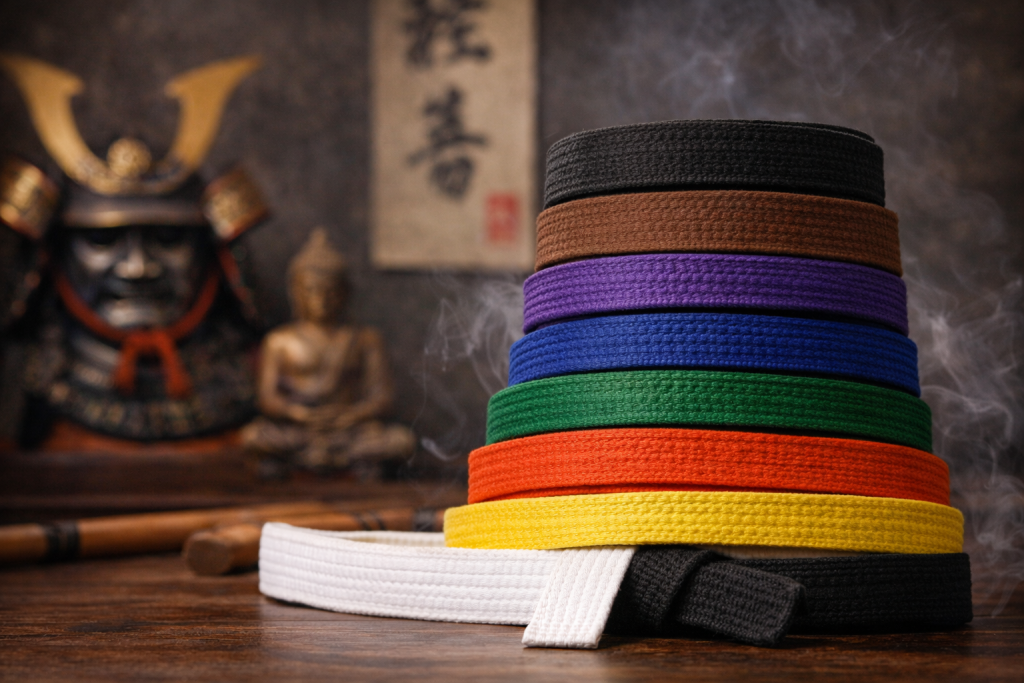
In martial arts around the world, belts are more than colorful fabric around the waist — they represent progress, discipline, mindset, tradition, and personal growth. While many people recognize the progression from white belt to black belt, few understand the origins, symbolism, and cultural story behind these ranks.
Where the Belt System Comes From
The belt ranking system we know today didn’t exist for most of martial arts history. It was first introduced in the 1880s by Jigoro Kano, the founder of Judo. Before this, practitioners sometimes received certificates of rank, but there was no consistent visual system to indicate a student’s level on the training floor.
Kano began with just two belt colors:
- White for beginners
- Black for advanced practitioners
This simple distinction helped instructors and students alike to organize training and measure progression. Over time, more belt colors were introduced to show intermediate steps, providing students with milestones and motivation as they trained. Martial arts like Karate, Taekwondo, and Brazilian Jiu-Jitsu later adopted and adapted these systems, creating belt orders that fit their unique philosophies and training structures.
What Belt Colors Mean
While there’s no universal standard for belt colors, many martial arts share similar meanings that reflect a student’s growth from beginner to advanced.
- White Belt: Represents beginning, purity, and openness. The student is a blank slate, ready to learn.
- Yellow/Orange Belt: Symbolizes early growth. Students begin to understand fundamentals.
- Green Belt: Represents growth and development, as skills expand like a sprouting plant.
- Blue/Purple Belt: Symbolizes advancement and refinement, with more complex techniques and deeper understanding.
- Brown Belt: Suggests maturity and preparation, with students approaching mastery.
- Black Belt: Represents competence, discipline, and responsibility. Rather than an endpoint, it marks the start of deeper learning and teaching ability.
These symbolic links between colors and personal growth help martial artists see belts as a metaphor for their journey, not just an award.
Different Arts, Different Belt Patterns
Not every martial art uses the same colors or rank structure:
- Brazilian Jiu-Jitsu (BJJ): Typically has fewer adult belts — white, blue, purple, brown, and black.
- Karate: May include yellow, green, blue, red, and sometimes stripes or intermediate belts depending on the dojo.
- Taekwondo: Uses a structured geup (pre-black belt) system with multiple color steps before dan ranks.
- Traditional Chinese arts (e.g., Kung Fu): Often don’t use belts at all, instead relying on master-student titles and lineage.
Despite these differences, the shared philosophy remains: a belt represents personal growth, dedication, and cultural tradition, rather than just technical skill.
What Belts Represent Culturally
Belts serve as more than rank indicators. They:
- Visualize a student’s progress and effort
- Remind practitioners that mastery takes time
- Reflect values like discipline, respect, and humility
- Serve as milestones on a lifelong journey
While each style interprets belts in its own way, the common thread is that belts symbolize who a martial artist is becoming, not just what they can do physically.
Conclusion
Martial arts belts are more than decorations. They are a timeline of development, a cultural tradition, and a philosophical symbol of the martial journey. From Jigoro Kano’s first white and black belts in Judo to the colorful spectrum seen in dojos worldwide today, belts help martial artists set goals, push forward, and embody the values of their training.
Want to explore more martial arts culture? Browse our Judo, MMA, Karate, and Taekwondo sections for news, training guides, and lifestyle articles.